

A job application tracker is more than a list of companies. Used well, it keeps the exact vacancy, submitted CV version, important contacts, follow-up dates and interview evidence connected. That reduces avoidable mistakes and helps you learn which applications deserve more attention.
What to track for every application
- Company, role title and vacancy link.
- Date found, deadline and date submitted.
- Source, referral or recruiter contact.
- Current stage and next action.
- Exact CV and cover letter versions submitted.
- Salary range or location details when relevant.
- Interview dates, participants and preparation notes.
- Outcome and lessons for future applications.
Stage 1: qualify the opportunity
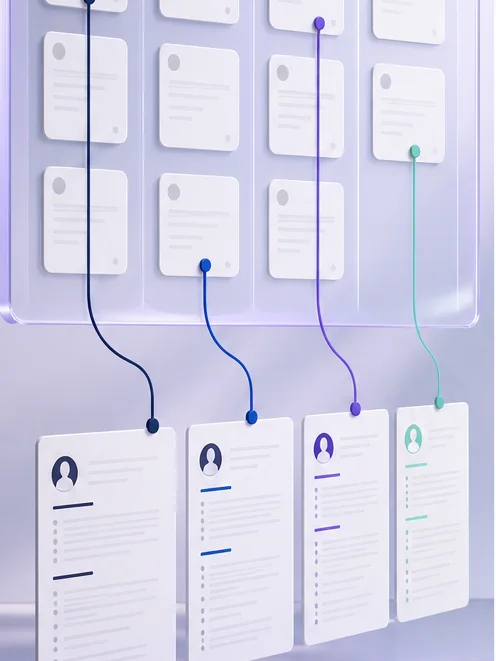
Before tailoring documents, compare the role’s essential requirements with your evidence. Mark the opportunity as strong match, credible stretch or low fit. This prevents a high application count from replacing thoughtful prioritisation.
Stage 2: save the vacancy context
Job descriptions can disappear after the deadline. Save the role text or a private note containing responsibilities, requirements and employer context. Do not rely only on the live link when preparing for an interview weeks later.
Stage 3: link the submitted CV version
Keep a verified base CV, then duplicate and tailor it. Give each file a clear name, such as Alex-Morgan-CV-Product-Manager-Company.pdf. The tracker should link to the exact document submitted, not whichever version is currently open in the builder.
Stage 4: record next actions
Every active application needs one visible next action: tailor, submit, follow up, prepare examples, confirm interview logistics or close. A status without a next action can leave applications sitting unnoticed.
Stage 5: prepare interviews from the same evidence map
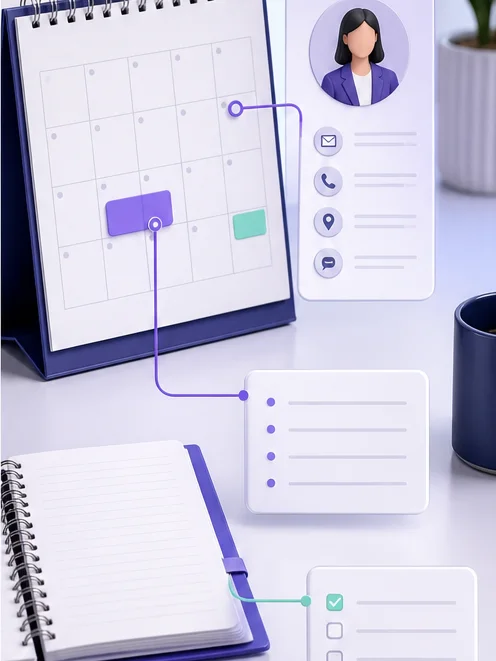
Return to the requirements used to tailor the CV. For each priority capability, prepare a specific example with situation, decisions, action and result. Note likely gaps and honest ways to discuss adjacent experience.
The interview practice tool helps you rehearse role-focused answers while keeping the same career evidence consistent.
Stage 6: manage follow-up respectfully
Record any timeline given by the employer. If no timeline is provided, one concise follow-up after a reasonable interval is usually enough. Avoid repeated messages that add no new information.
A useful application dashboard
Your main view should answer: Which roles need action today? Which interviews are approaching? Which applications have stalled? Which CV version was sent? A simple table or kanban can work, provided the information remains current.
Weekly job-search review
- Close withdrawn, rejected or completed applications.
- Confirm the next action for every active role.
- Review upcoming interviews and missing preparation.
- Check whether follow-up dates are reasonable.
- Look for patterns in response by role family, source and CV focus.
- Decide which applications deserve time next week.
Metrics that help without creating pressure
Track small funnel measures such as qualified opportunities, tailored applications, first conversations and interviews. Do not treat every rejection as a content failure. Market timing, internal candidates, location and employer decisions all affect outcomes.
Privacy and data hygiene
Do not store unnecessary personal information about interviewers or recruiters. Protect account access, avoid sharing application notes publicly and remove sensitive vacancy documents when they are no longer needed.
Common tracking mistakes
- Counting applications without recording fit or outcome.
- Overwriting the submitted CV with a later version.
- Losing the original job description.
- Recording status but no next action.
- Preparing interview examples from memory at the last minute.
- Keeping old applications open indefinitely.
Frequently asked questions
How many applications should I track?
Track every serious application. The right volume depends on role, market and available time. A smaller number of well-qualified applications can be more useful than a high volume of generic submissions.
Should networking contacts go in the same tracker?
Yes, when they relate to a specific opportunity. Keep general professional networking separate so the application view remains actionable.
When should I close an application?
Close it when the employer confirms an outcome, the role is withdrawn, you decide not to proceed or a reasonable follow-up period has passed with no response.
Put the guidance into practice
Build a role-focused CV, review its structure and keep every claim grounded in your real experience.